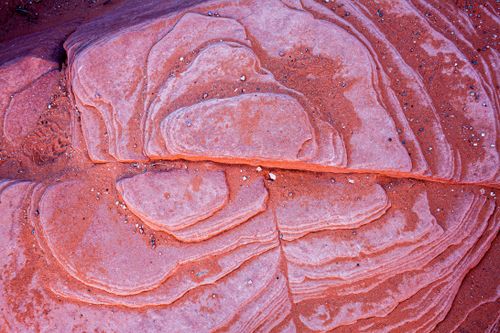
Weathering Explained: See how wind, water, and temperature transform landscapes
• Weathering is the breakdown of rocks and minerals near the Earth's surface through physical, chemical, and biological processes.
• Wind, water, and temperature changes drive these processes, shaping landscapes and contributing to soil formation.
Why It's Important?
Physical weathering, also known as mechanical weathering, involves the breakdown of rocks without changing their chemical composition. This process is primarily driven by forces such as temperature changes, frost action, abrasion, and pressure release. For example, temperature fluctuations can cause rocks to expand and contract, leading to cracks and eventual fragmentation.
Related News