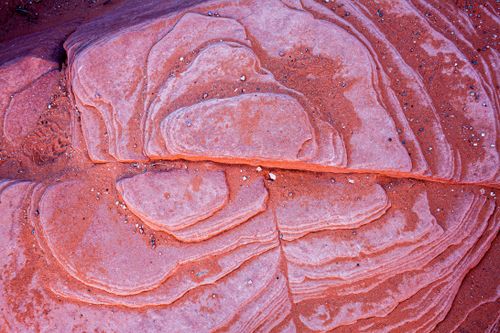
Weathering Explained: See how wind, water, and temperature transform landscapes
• Weathering breaks down rocks through physical, chemical, and biological processes, transforming landscapes over time.
• Temperature fluctuations, water, and living organisms play key roles in weathering, impacting soil formation and environmental resources.
• Understanding weathering is crucial for predicting natural hazards and managing the Earth's dynamic processes.
Weathering: Breaking down rocks near Earth's surface
Weathering is the process by which rocks and minerals are broken down at or near the Earth's surface. This occurs through the direct contact of the atmosphere, water, and biological organisms. Unlike erosion, which involves the movement of these broken-down materials, weathering is the in-situ disintegration and decomposition of rocks. There are three main types of weathering: physical, chemical, and biological.
Related News