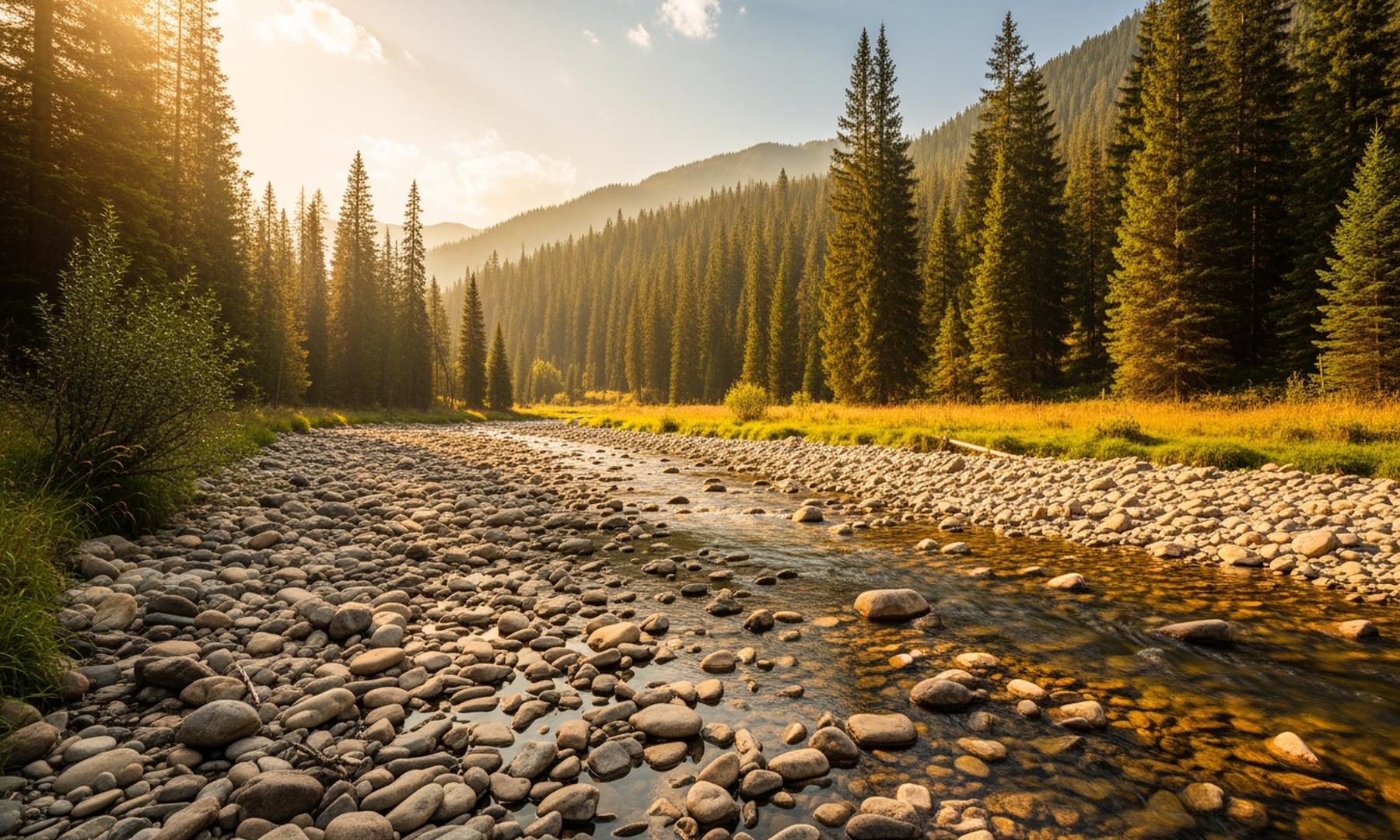
Western Canada Faces Increasing Summer Streamflow Droughts Amid Climate Change
• Western Canada is experiencing more frequent and severe summer streamflow droughts due to climate change.
• Declining snowpack and shifting precipitation patterns are key drivers of these droughts in the Fraser and upper Columbia Basins.
• Projections indicate that higher global warming levels will further intensify drought conditions, necessitating urgent climate adaptation strategies.
Climate change worsens streamflow droughts in Western Canada
Western Canada is facing an escalating crisis of summer streamflow droughts, significantly worsened by the pervasive effects of climate change. Recent studies emphasize that watersheds, especially in the Fraser and upper Columbia Basins, are grappling with more frequent and intense droughts. These are largely due to diminishing snowpack levels and the erratic shifts in precipitation patterns, both of which are exacerbated as global warming levels (GWLs) continue to rise. A comprehensive study spanning from 1955 to 2024 has revealed a substantial decline in snow water equivalent (SWE) and streamflow during the crucial summer months. This decline is a direct consequence of rising temperatures and altered precipitation patterns, underscoring the complex interplay of climatic factors that lead to unpredictable drought conditions.
Related News