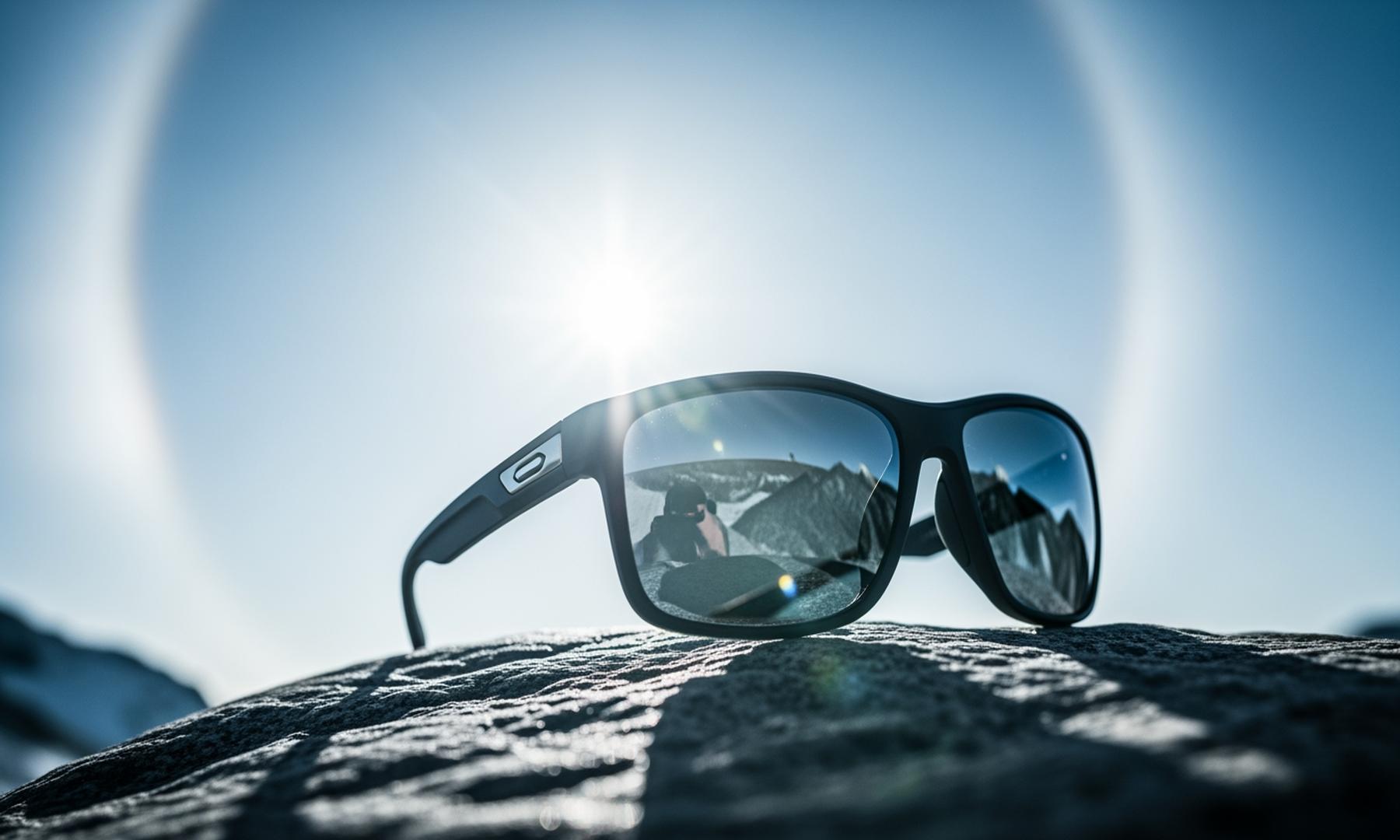
High-altitude Sun Exposure: Risks and Precautions
• High-altitude sun exposure increases the risk of sunburn and long-term skin damage due to thinner atmosphere and intense UV radiation.
• Protective measures like sunscreen, protective clothing, and seeking shade are crucial to mitigate these risks.
• Chronic UV exposure can lead to premature aging, wrinkles, and an increased risk of skin cancer, emphasizing the importance of sun safety.
Intense sun rays at high altitudes
At high altitudes, the sun's rays are more intense because the thinner atmosphere offers less protection from ultraviolet (UV) radiation. This increased exposure raises the risk of sunburn and long-term skin damage, with UV radiation intensity increasing by about 10% for every 1,000 meters of elevation. The main danger is the heightened intensity of UVA and UVB radiation, which can penetrate the atmosphere and affect human skin, especially concerning for hikers, skiers, and mountaineers.
Related News