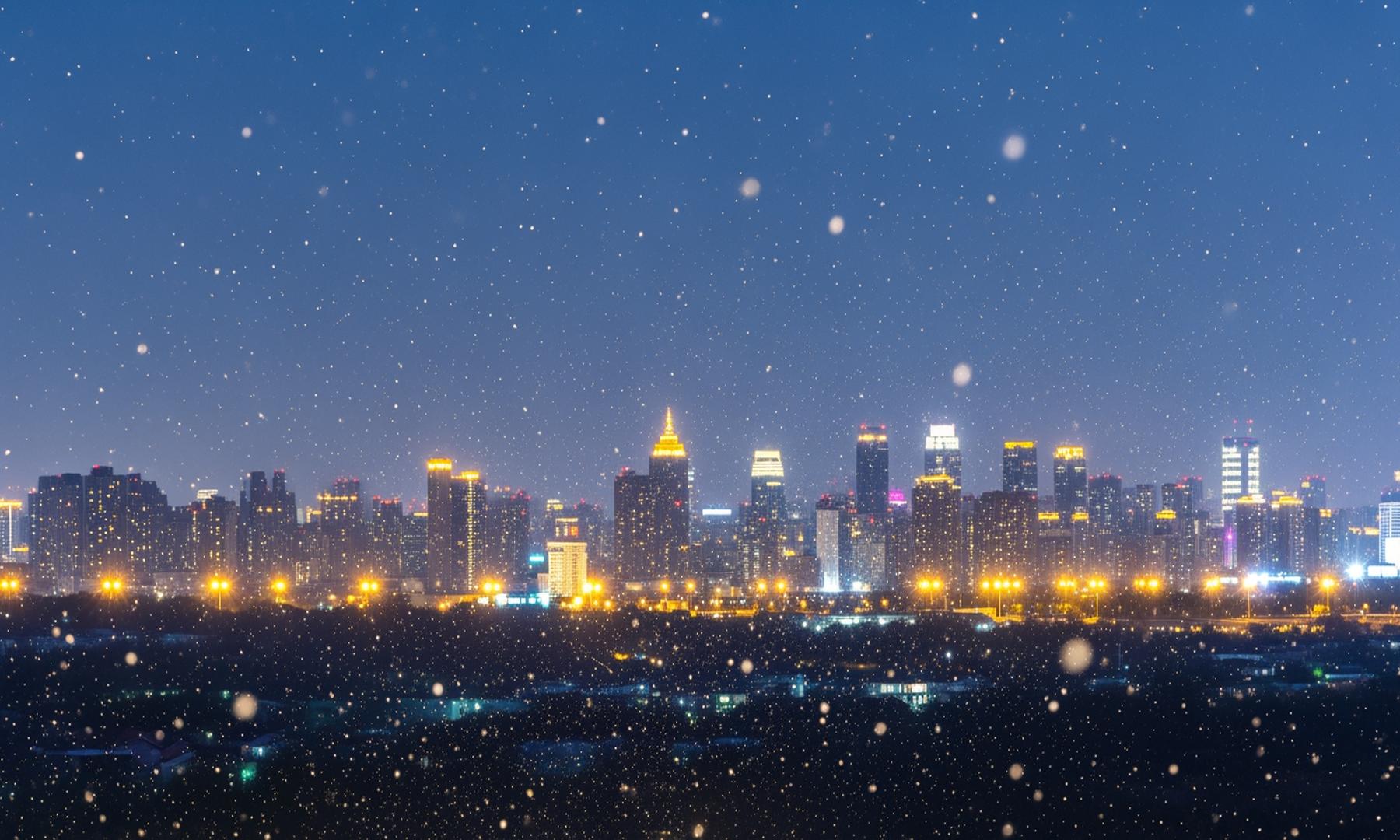
Artificial City Lights Extend Pollen Allergy Season in Northeastern U.S.
• Research shows artificial city lights in the Northeastern U.S. extend pollen allergy seasons.
• Artificial light at night (ALAN) delays the end of pollen season by disrupting plant biology.
• Reducing light pollution could help alleviate seasonal allergy symptoms.
City lights extend pollen season in Northeast
Recent research highlights that pollen allergy seasons in the Northeastern U.S. are extending, not primarily due to climate change, but because of artificial city lights. The study indicates that artificial light at night (ALAN), from streetlights and other outdoor sources, disrupts the natural biological timing of plants, delaying the end of the pollen season. This phenomenon is particularly evident in urban areas, where prolonged light exposure keeps allergens in the air longer, exacerbating allergy symptoms for many residents. Dr. Lin Meng from Vanderbilt University has documented a clear correlation between ALAN and prolonged pollen activity, suggesting that the impact of artificial light is more significant on the end of the pollen season than on its start. This extended pollen season can lead to increased use of allergy medications, more frequent doctor visits, and a diminished quality of life for those affected.
Related News