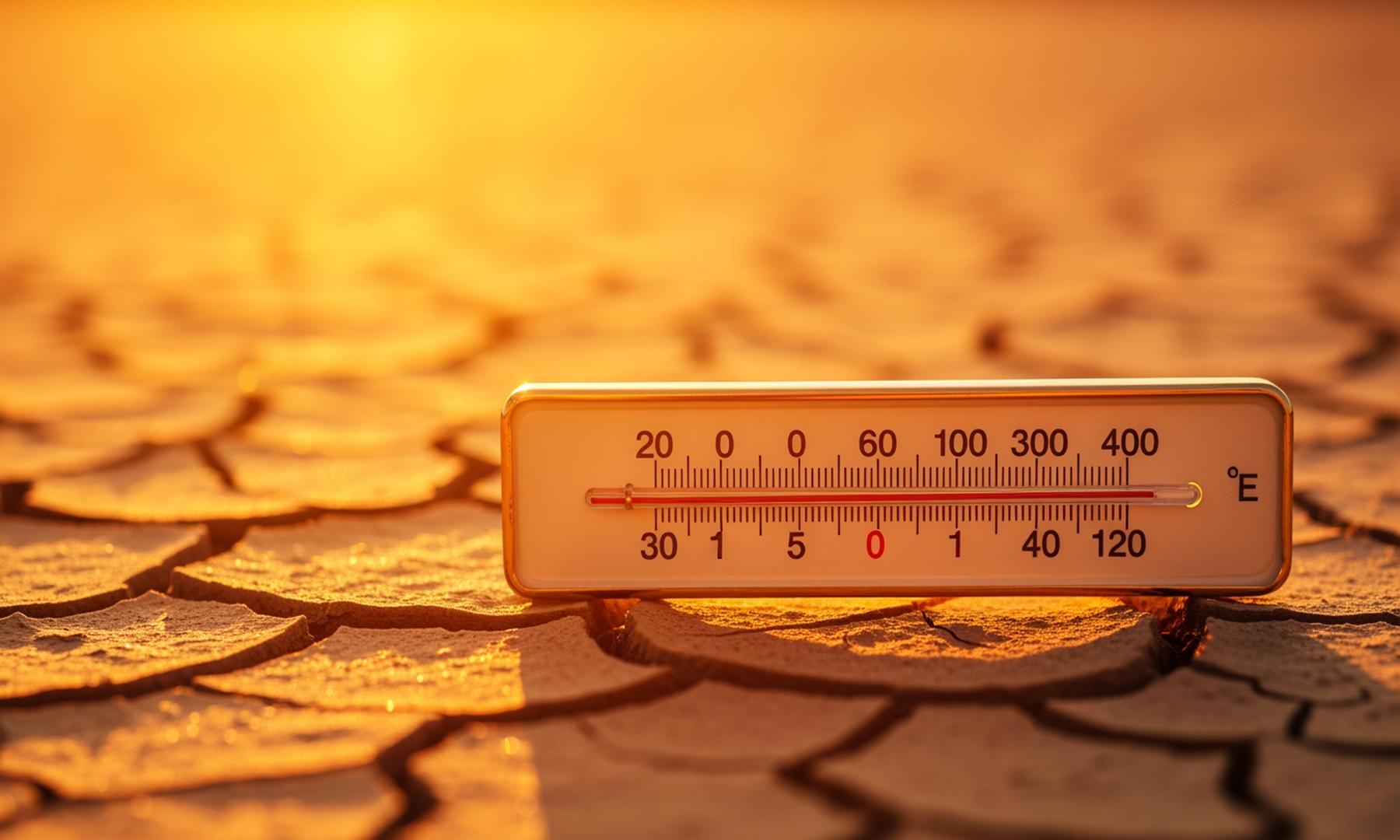
Heat Index Days: Understanding the Impact and Precautions
• Heat index days occur when high temperature and humidity combine to make it feel hotter, posing health risks.
• Stay hydrated, wear light clothing, and seek shade to mitigate the effects of heat index days.
• Recognize symptoms of dehydration, heat exhaustion, and heat stroke, seeking immediate medical help if needed.
High temperature and humidity create health risks
Heat index days are periods characterized by a combination of high air temperature and humidity, resulting in a perceived temperature that feels hotter than the actual air temperature. This phenomenon can lead to significant health risks, particularly during the summer months. The heat index, calculated using both air temperature and relative humidity, is a critical measure used by meteorologists to assess the potential impact of heat on human health. High humidity reduces the body's ability to cool itself through sweating, increasing the risk of heat-related illnesses such as dehydration, heat exhaustion, and heat stroke.
Related News