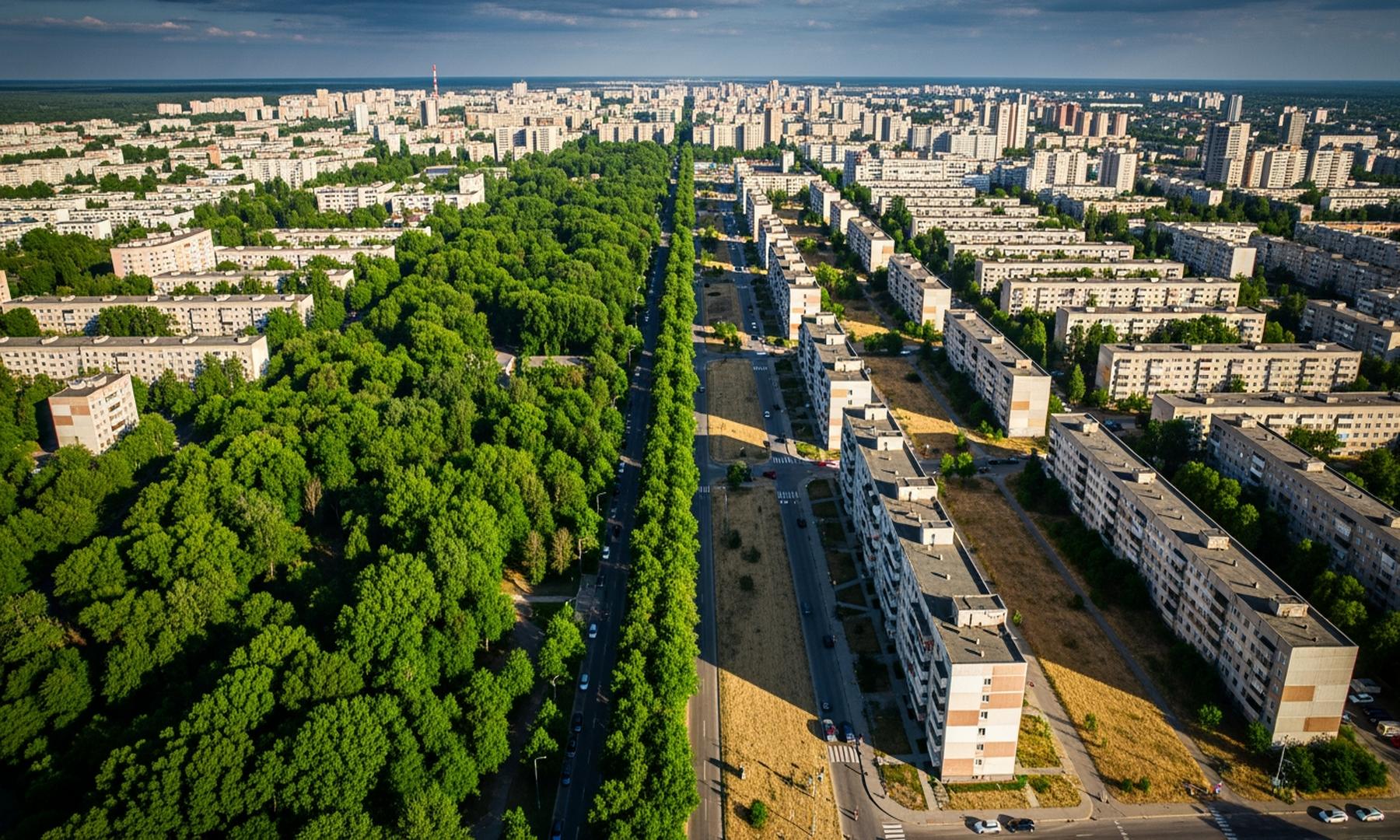
Urban Vegetation Inequality Intensifies in U.S. Cities Amid Climate Extremes
• Study reveals growing urban vegetation inequality in U.S. cities due to climate extremes.
• Sunbelt cities face intensified vegetation inequality during droughts, while northern cities see it increase in colder, wetter conditions.
• Uneven vegetation distribution impacts public health, local ecosystems, and exacerbates environmental injustice.
Urban vegetation inequality rises with climate extremes
Recent research in *Nature* reveals growing urban vegetation disparity across U.S. cities, worsened by extreme climate events. The study, covering 245 cities in the continental United States with a focus on the Sunbelt and northern regions, found that Sunbelt cities experience intensified urban vegetation inequality (UVI) during droughts and warming events. These areas often face water scarcity and higher temperatures, leading to uneven vegetation distribution, where wealthier areas have lush landscapes while poorer areas suffer barren environments. This affects aesthetics, public health, and local ecosystems.
Related News