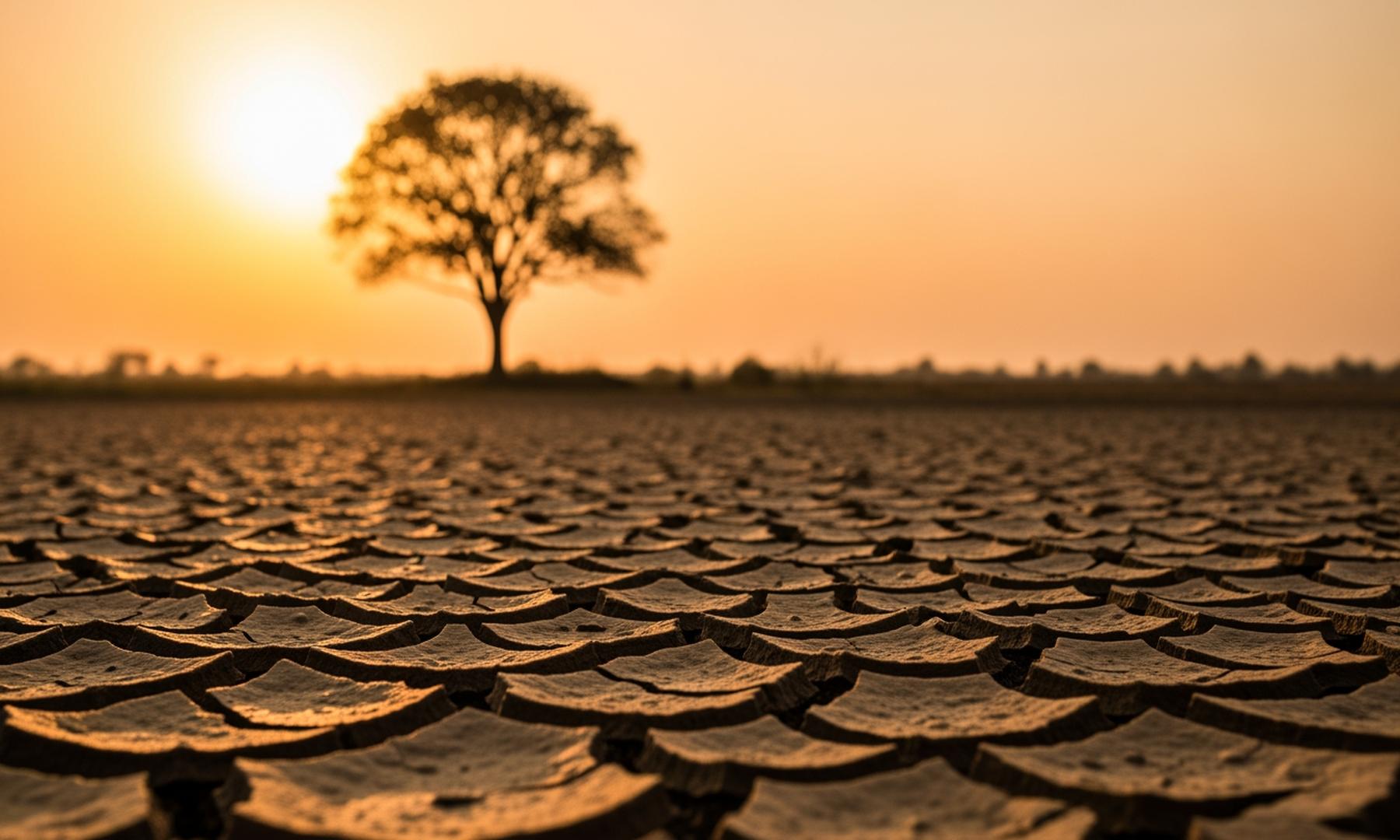
Global Climate Degradation: Long-Term Consequences Highlighted by WMO
• The WMO report introduces Earth's Energy Imbalance, showing heat accumulation in Earth's systems is at a record high.
• Highest levels of carbon dioxide, methane, and nitrous oxide in 800,000 years exacerbate climate degradation.
• Transition to renewable energy is crucial to mitigate extreme weather events and stabilize the climate.
WMO report emphasizes escalating global climate degradation
The World Meteorological Organization (WMO) has recently released its State of the Global Climate report, emphasizing the escalating crisis of global climate degradation. A key highlight is the introduction of a new metric, Earth's Energy Imbalance, which comprehensively assesses the impact of human activities on the climate by tracking heat accumulation in oceans, the atmosphere, land, and melting ice. The report reveals that this imbalance has reached its highest recorded level, signifying an alarming rate of heat entrapment on our planet. Compounding this issue are record-high concentrations of greenhouse gases—carbon dioxide, methane, and nitrous oxide—levels unseen in at least 800,000 years.
Related News