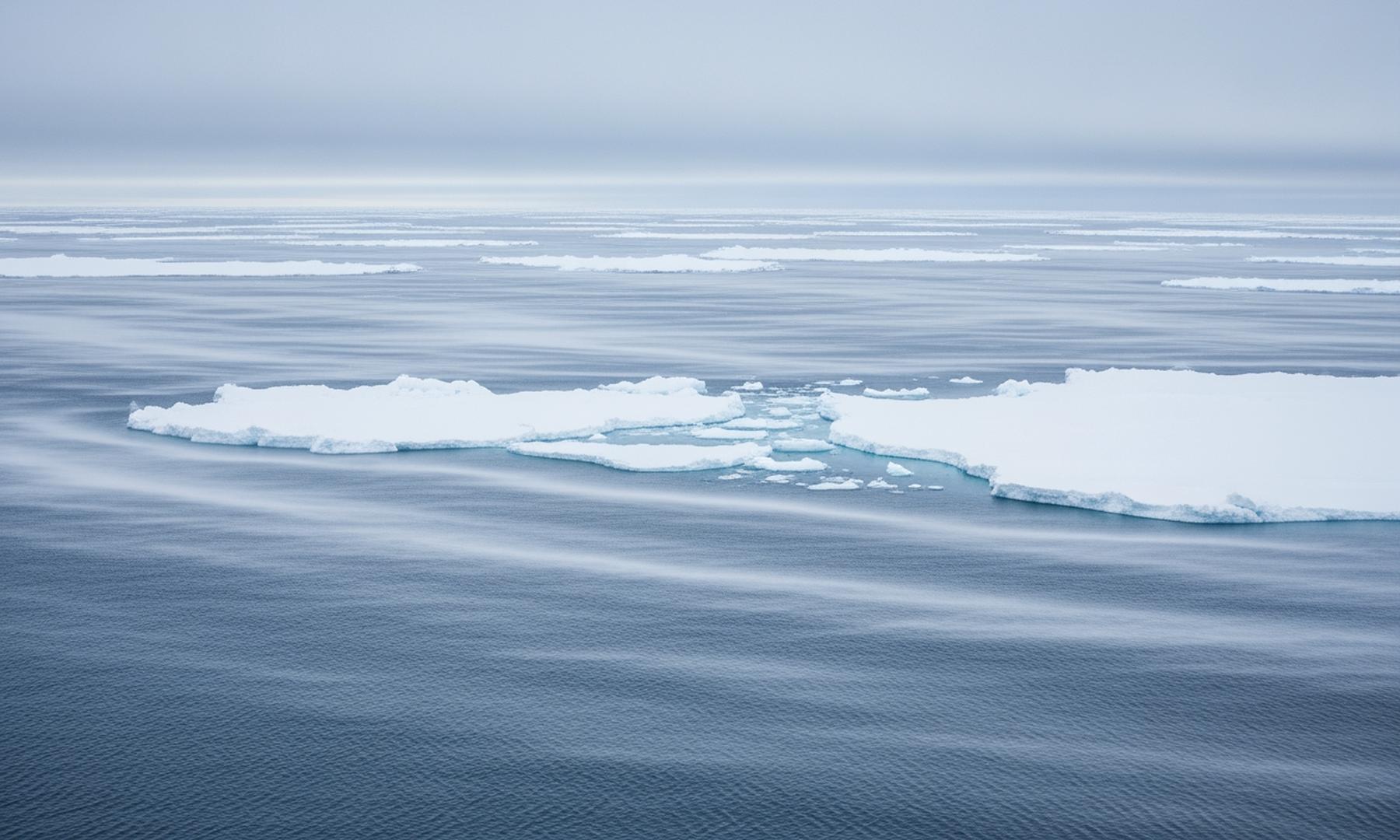
Antarctic Sea Ice Decline Linked to Wind-Driven Upwelling Since 2016
• Antarctic sea ice, which was expanding until 2015, has since experienced a marked decline due to intensified wind-driven upwelling.
• The study used data from under-ice Argo floats, revealing that Antarctic sea ice is increasingly exposed to warm circumpolar deep water.
• Changes in precipitation, wind patterns, and ocean temperatures interact to influence the behavior of sea ice, impacting ocean circulation and weather patterns.
Antarctic sea ice trends shift significantly
Recent research has shed light on a significant shift in Antarctic sea ice trends. Until 2015, the sea ice was expanding, but since then, it has experienced a notable decline. A study published in PNAS attributes the initial expansion to surface freshening caused by increased precipitation, which trapped subsurface ocean heat. However, post-2015, intensified wind-driven upwelling reversed these trends, releasing accumulated ocean heat and contributing to unprecedented sea ice loss.
Related News