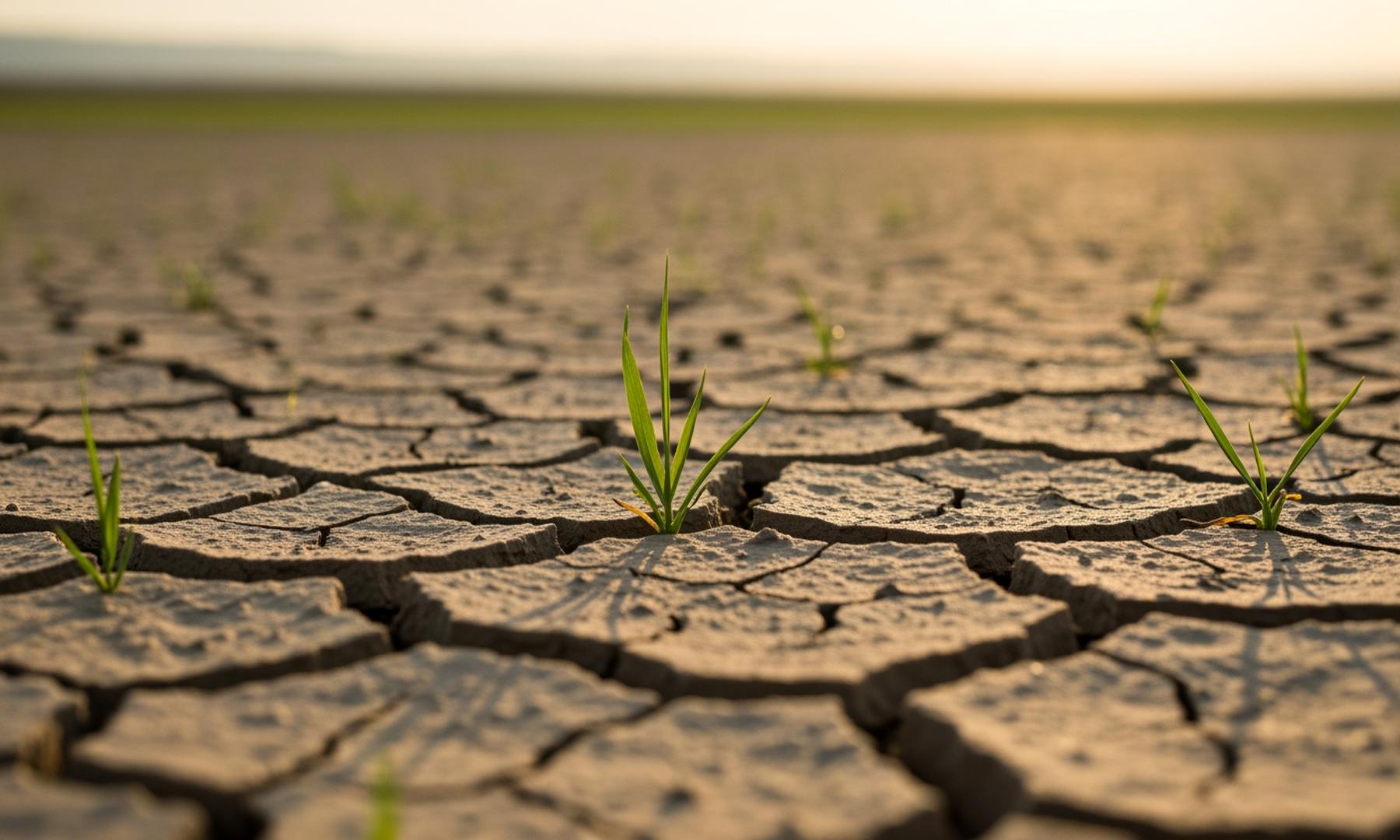
Global Dryland Climate Change Impacts Vegetation Carbon Uptake
• Drylands are playing an increasingly significant role in the global slowdown of vegetation carbon uptake due to changing climate patterns.
• Research analyzing trends from 1982 to 2022 shows that alterations in precipitation and increased evapotranspiration reduce the capacity of dryland vegetation to absorb carbon dioxide.
• The study emphasizes the need for improved monitoring and sustainable land management practices to enhance the resilience of dryland ecosystems and promote carbon sequestration.
Drylands critical in global vegetation carbon uptake
Recent research emphasizes the critical role of drylands in the global slowdown of vegetation carbon uptake. The study, published in Nature, reveals that drylands are increasingly influencing global carbon cycles due to shifts in precipitation patterns and potential evapotranspiration (PET) anomalies. Analyzing trends from 1982 to 2022, the research indicates that drylands are experiencing substantial climate changes that impact their ability to absorb carbon.
Related News