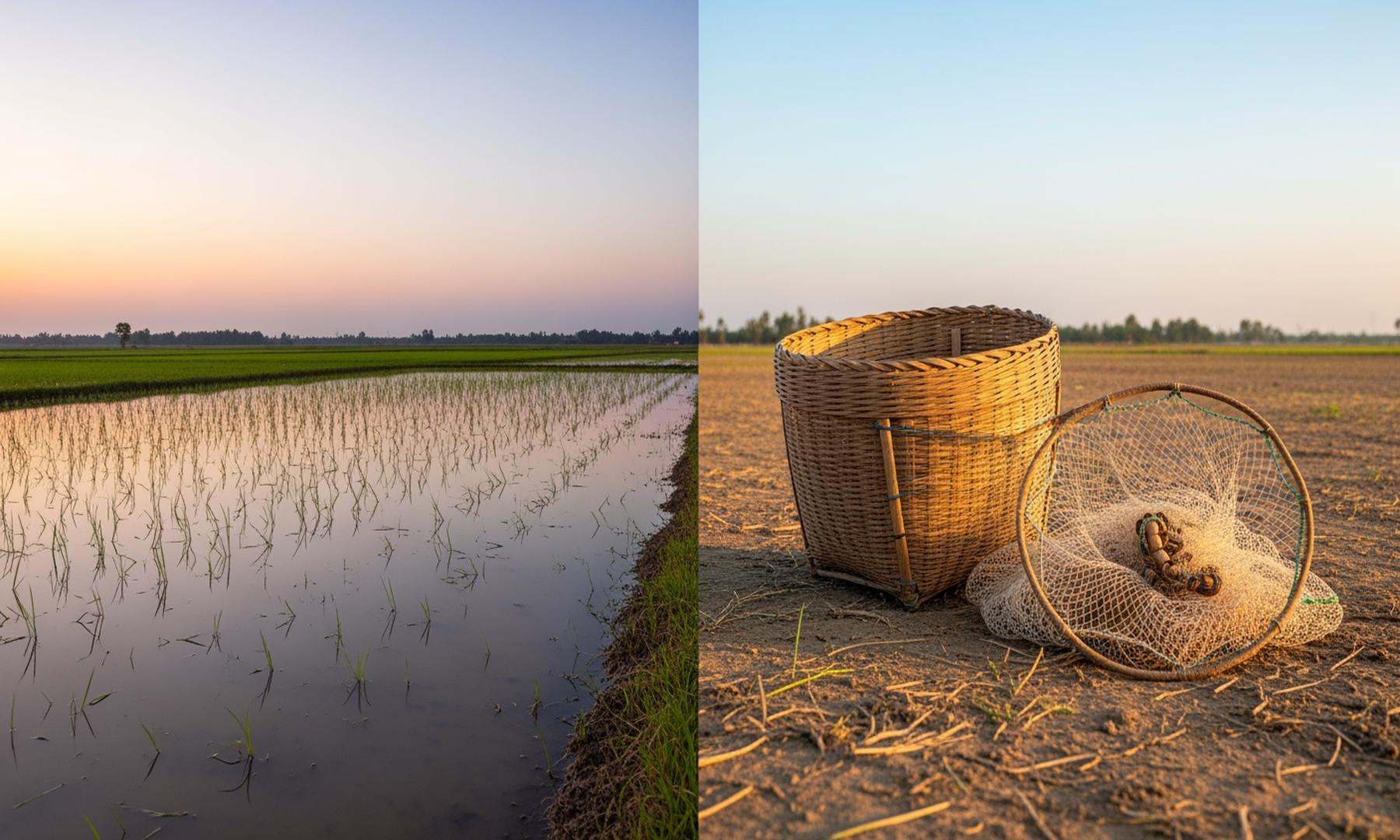
Gendered Non-Migration in Bangladesh Amid Climate Risks
• Climate change and seasonal disasters in Bangladesh significantly impact migration patterns, with gender playing a crucial role.
• Women in Bangladesh often face mobility constraints due to caregiving responsibilities and social norms, increasing their vulnerability during climate-related hazards.
• A holistic framework integrating gender, intergenerational relations, and climate vulnerability is needed to inform inclusive climate adaptation and migration policies.
Climate change alters migration patterns in Bangladesh
Climate change and seasonal disasters in Bangladesh are significantly altering migration patterns, with gender playing a crucial role in determining who migrates and who remains. A study highlights that environmental shocks increase migration aspirations, but social structures, particularly gender norms, heavily influence these decisions. The Internal Displacement Monitoring Centre reported 45.8 million internal displacements globally in 2024 due to extreme weather events, with storms and floods being major contributors. In Bangladesh, 64% of households in floodplain areas have experienced displacement due to river erosion.
Related News