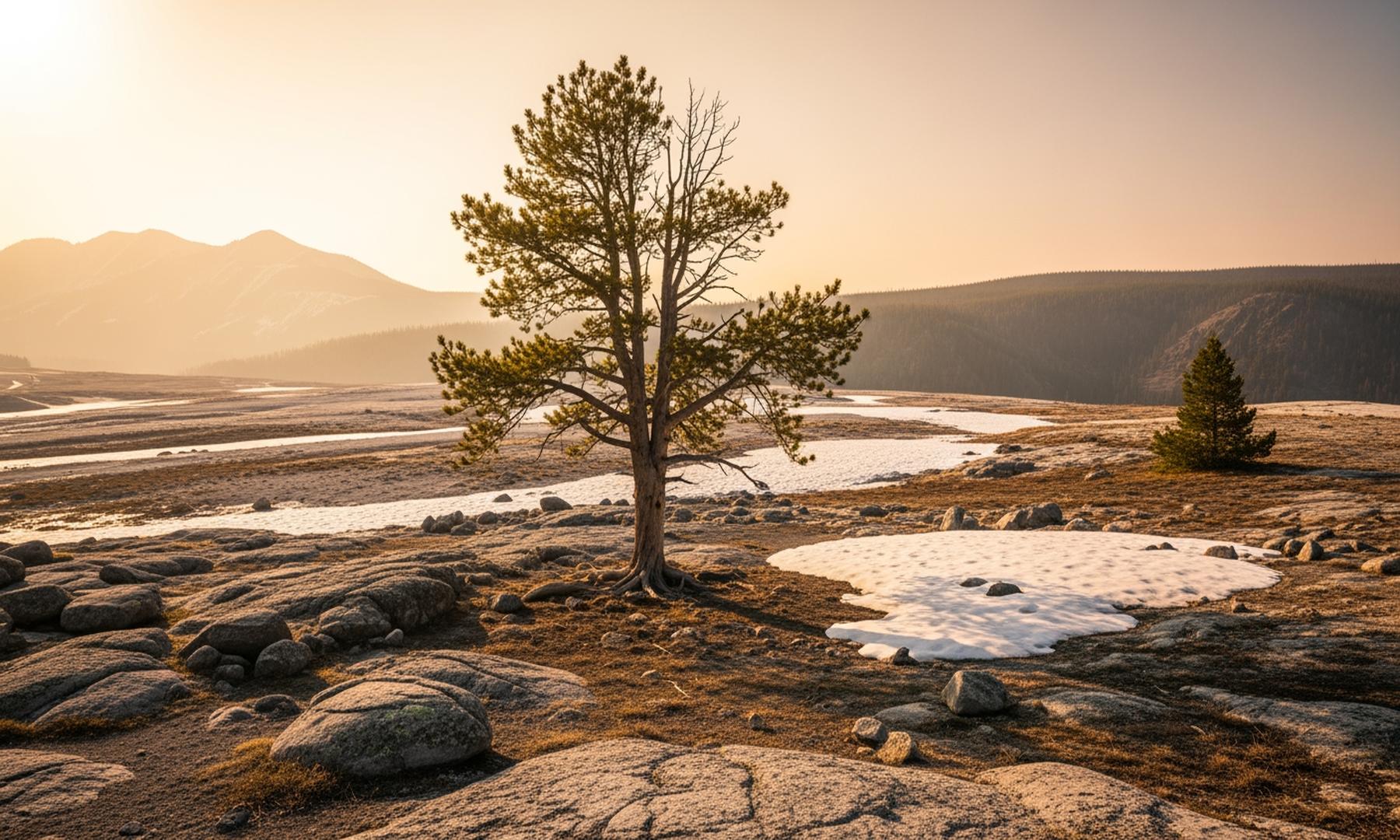
Climate Change Impacts in Yellowstone: Warmer Temperatures and Less Snow
• Yellowstone's average temperatures have risen by 2.3°F since 1950, impacting its ecosystems.
• Annual snowfall in Yellowstone has decreased by 24%, affecting water availability.
• Future warming is predicted to exacerbate wildfires and extreme weather events in Yellowstone.
Rising temperatures and declining snowfall in Yellowstone
Yellowstone National Park is experiencing profound effects from climate change, marked by rising temperatures and declining snowfall. Since 1950, the region has seen a 2.3°F increase in average temperatures, primarily due to increased greenhouse gas emissions. This warming trend is causing significant environmental shifts, including reduced water resources and altered wildlife habitats. Concurrently, annual snowfall has decreased by approximately 24%, impacting the availability of water for streams and rivers during warmer months, leading to drier conditions and an increased risk of wildfires.
Related News