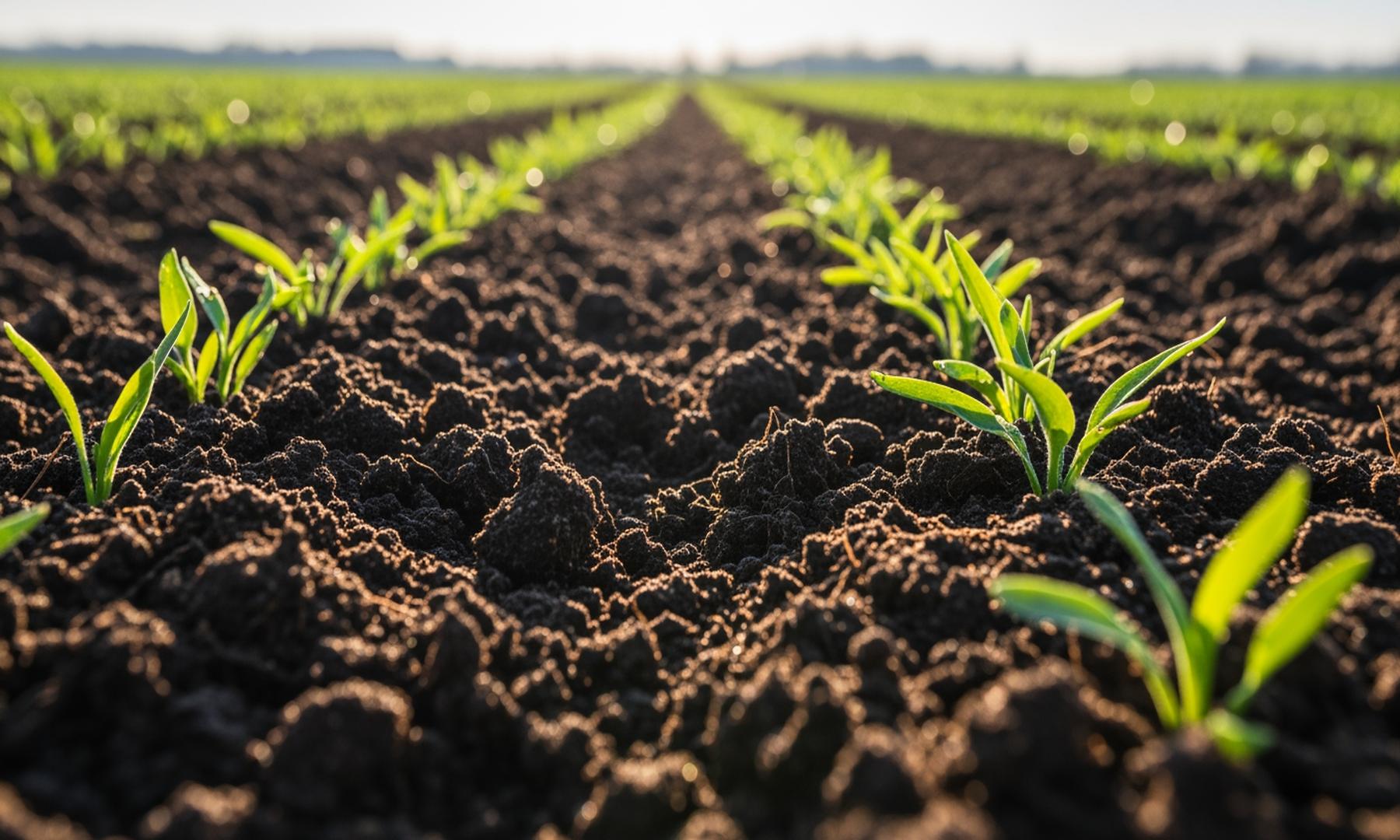
South Dakota Farmer Enhances Resilience with Soil Health Practices
• South Dakota farmer Terry Ness has implemented no-till farming and other soil health practices since the early 1990s, significantly improving soil fertility and water retention.
• Over three decades, Ness increased soil organic matter from about one percent to four percent, reducing the need for fertilizers and minimizing runoff.
• Laura Edwards, South Dakota State University Extension State Climatologist, emphasizes that regenerative agriculture practices are crucial for building resilience against extreme weather.
Farmer enhances farm resilience through soil health practices
In South Dakota, farmer Terry Ness has spent over three decades enhancing his farm's resilience through innovative soil health practices. Starting in the early 1990s, Ness adopted no-till farming, which involves planting seeds directly into the ground without traditional plowing. This approach, combined with managing crop residue, promoting biodiversity, using cover crops, and integrating livestock grazing, has dramatically improved his soil's condition.
Related News