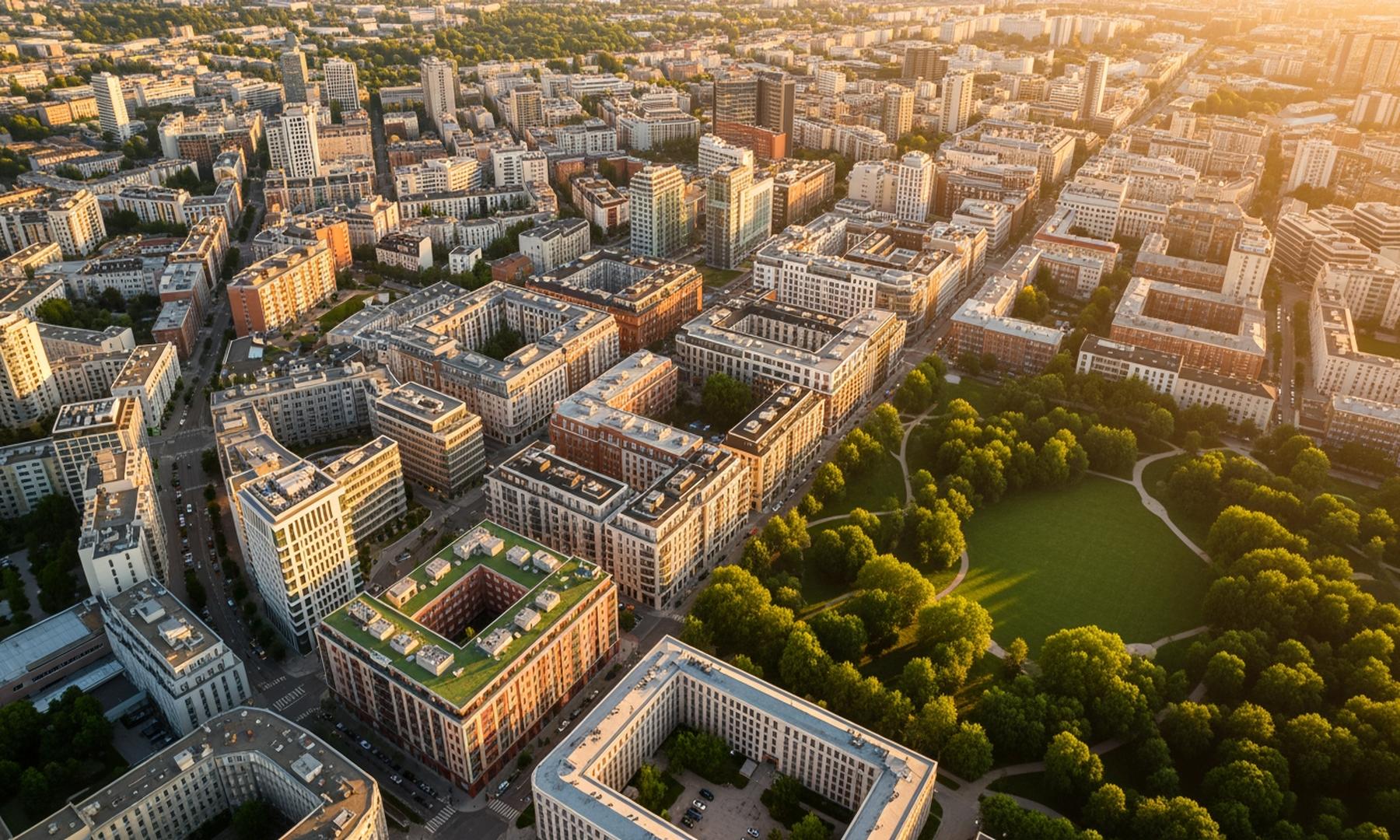
Emeryville Weather: Urban Heat Pockets Persist Amidst Spring Transition
• Emeryville is experiencing localized heat pockets due to urban infrastructure.
• Lack of vegetation exacerbates temperature increases in certain areas.
• Residents may notice higher temperatures and increased energy use for cooling.
Emeryville addresses urban heat pocket challenge
Emeryville is grappling with urban heat pockets as the region transitions into spring. These localized areas of increased temperature are a typical urban issue, stemming from the concentration of buildings and infrastructure that absorb and retain heat. The absence of ample green spaces and vegetation further intensifies this effect, as these natural elements would otherwise contribute to cooling the environment. As the city advances into warmer months, residents may notice temperature disparities across different areas, with some locations feeling significantly hotter than others. This is primarily due to the urban heat island effect, where materials like concrete and asphalt absorb and radiate heat more efficiently than natural surfaces. This can lead to increased discomfort for residents and a greater reliance on air conditioning, which in turn increases energy consumption.
Related News