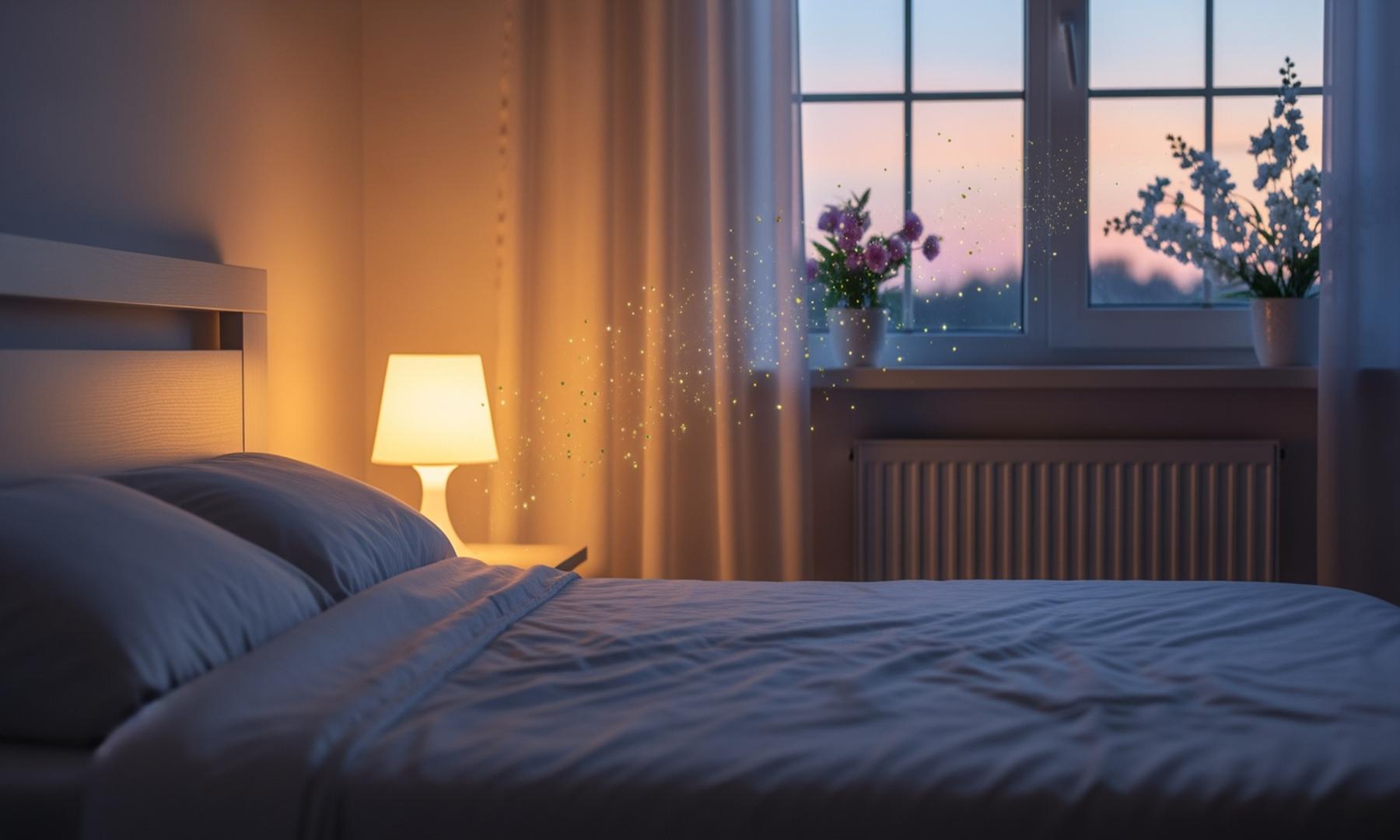
Spring Allergies Impact Sleep Quality for Many
• Spring allergies can significantly disrupt sleep due to congestion, sneezing, and itchy eyes.
• Hormonal changes during perimenopause and menopause can exacerbate allergy symptoms, leading to poorer sleep.
• Strategies like maintaining a clean sleep environment and using air purifiers can help mitigate the impact of spring allergies on sleep quality.
Spring allergies disrupt sleep with various symptoms
Spring, while beautiful, poses sleep challenges for allergy sufferers due to symptoms like congestion, sneezing, and itchy eyes. Allergies keep the body inflamed, disrupting sleep, and hormonal changes during perimenopause and menopause can worsen these issues by increasing nasal passage sensitivity. Common allergens like pollen, dust mites, mold, and pet dander are prevalent in spring, leading to poor sleep quality. Congestion causes mouth breathing, resulting in dryness, while sneezing and itchy eyes further disrupt sleep, preventing restful, restorative sleep needed for overall health.
Related News